Nigeria, Sudan, and Ethiopia rank among the world's top five sesame producers, supplying the majority of sesame consumed by Turkish tahini, halva, and sesame oil manufacturers. Sourcing directly from origin eliminates the European commodity trader margin layer, and ensures freshness, traceability, and documentation from a verified supply chain.


Natural Sesame Seeds: Origin Matters
Not all sesame is equal. Nigerian sesame from the Benue, Nasarawa, and Kogi states is characterized by high oil content (50–52%) and bright white colour after hulling, preferred by Turkish tahini manufacturers who require clean colour and high yield in sesame paste.
Sudanese sesame from the Gedaref, Kassala, and Blue Nile regions offers the highest oil content (52–55%) in the global market and is the most sought-after origin for sesame oil pressing. Ethiopian sesame from Humera and Welkait also commands premium pricing for its clean flavour profile.
Natural (unhulled) sesame is supplied in 25 kg polypropylene bags, with moisture levels controlled below 6.5%, foreign matter below 0.5%, and free fatty acid (FFA) levels certified at time of origin inspection.

"Turkey consumes over 300,000 tonnes of sesame annually, the majority sourced from Africa. Origin-direct procurement, with verified documentation and consistent quality, is what separates reliable suppliers from commodity intermediaries."
- MEEI Hub Oilseeds DeskHulled Sesame, Groundnuts & Other Oilseeds
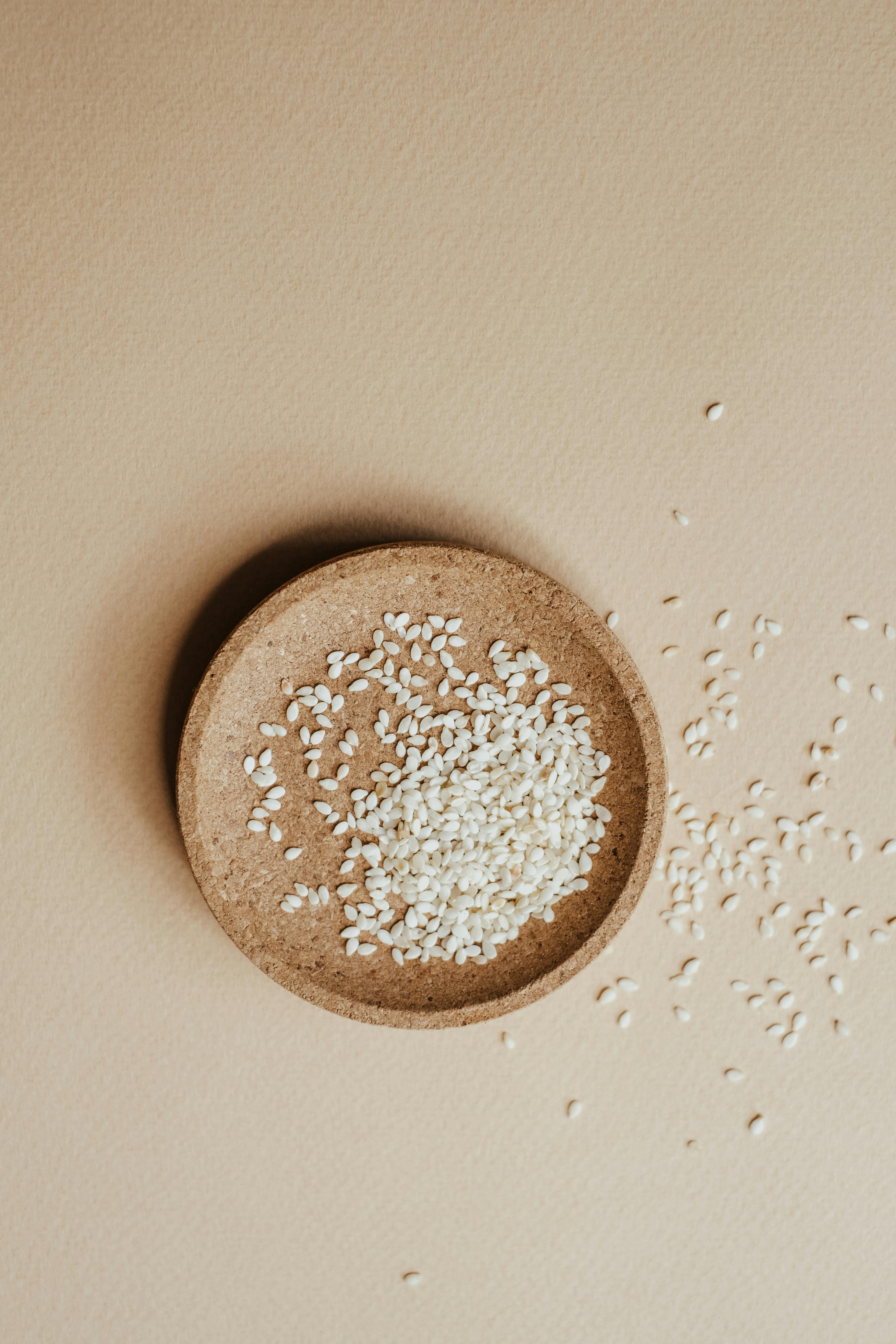
Hulled (white) sesame is processed at origin using dry or wet hulling methods, then cleaned, graded, and packed in 25 kg food-grade bags. Moisture is controlled below 8%, purity above 99.95%, and white colour (L value above 85) is certified by laboratory analysis at origin.
Groundnuts (peanuts) from Nigeria are available shelled and unshelled: Spanish variety for oil crushing and Virginia variety for confectionery and direct consumption. Moisture below 9%, aflatoxin below 10 ppb (EU standard), and foreign matter below 0.5% are our standard quality parameters.
We also source shea nuts from northern Nigeria and Burkina Faso, palm kernel nuts from Nigeria and Cameroon, and soybeans from Nigeria, all with full quality documentation and phytosanitary certificates for Turkish import clearance.


Container loading at origin ports in Kano, Lagos Apapa, Port Sudan, and Djibouti, direct to Turkish receiving terminals.
Quality Control, Fumigation & Documentation
Every oilseed shipment we coordinate undergoes a strict pre-loading quality control process: laboratory analysis of moisture, oil content, FFA, foreign matter, and aflatoxin levels is conducted at an accredited laboratory in the country of origin. SGS or Bureau Veritas inspection at load port provides independent weight certification.
Fumigation with phosphine (aluminium phosphide) is conducted under the supervision of a licensed fumigation company, with a fumigation certificate issued and valid for Turkish customs. We use approved fumigation protocols that meet Turkish agricultural import requirements.
A complete document set accompanies every shipment: phytosanitary certificate, fumigation certificate, quality and grade analysis certificate, weight certificate (SGS or BV), certificate of origin, and bill of lading, all verified before container sealing at origin.
What We Source
African oilseeds sourced direct from producing regions: all laboratory-tested, fumigation-certified, and fully documented for Turkish customs clearance.
Request Current FOB Origin Pricing
Tell us your required product, grade, volume, and preferred delivery period. Our oilseeds sourcing desk will provide current origin pricing and connect you with verified suppliers.
Send a Trade Inquiry ← Back to all products